Fiberglass insulation is one of the most widely used insulation materials for homes and buildings. Available in both batt and blown-in forms, it provides cost-effective thermal performance and can be installed in a variety of areas, including attics, walls, and crawl spaces.
At Installed Building Solutions, we install fiberglass insulation to help reduce energy loss, improve indoor comfort, and support long-term efficiency.
Fiberglass insulation is one of the most popular choices for homeowners and builders because it offers a balance of performance, affordability, and versatility.
Fiberglass insulation helps reduce heat transfer, keeping your home warmer in winter and cooler in summer—leading to lower heating and cooling costs.
Compared to many other insulation materials, fiberglass is a cost-effective option that delivers reliable performance without a high upfront investment.
Fiberglass is non-combustible, adding an extra layer of safety to your home or building.
Available in batt and blown-in forms, fiberglass insulation can be installed in attics, walls, floors, and more, making it suitable for both new construction and retrofit projects.
Fiberglass does not easily absorb moisture and can help resist mold and mildew when properly installed.
In addition to thermal performance, fiberglass insulation helps reduce sound transfer, creating a quieter, more comfortable indoor environment.
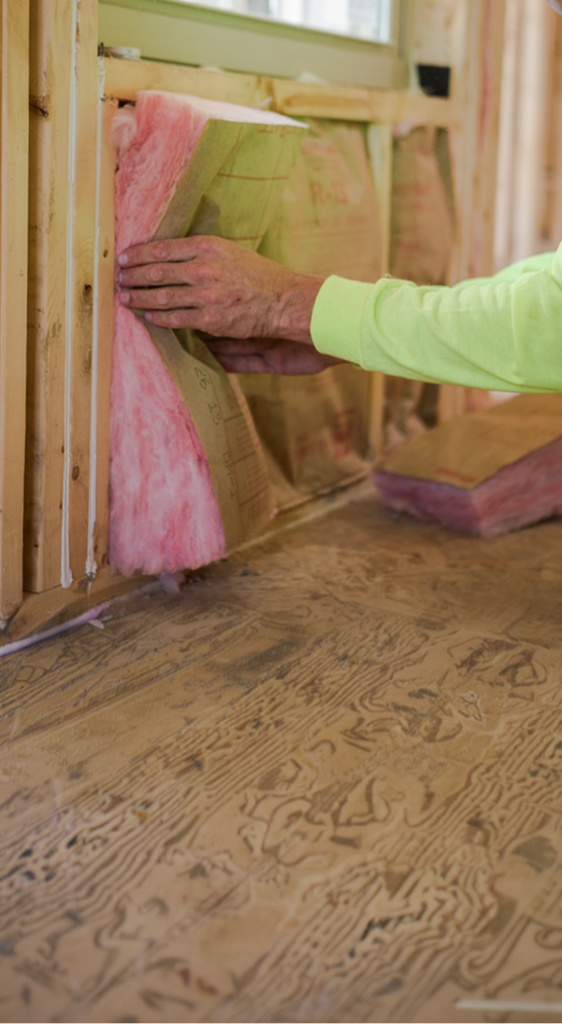
Fiberglass insulation is made from fine glass fibers designed to slow the transfer of heat. By creating a thermal barrier, it helps keep warm air inside during colder months and outside during warmer months.
Both batt and blown-in fiberglass insulation options are designed to improve coverage and performance when installed correctly, reducing energy waste and helping maintain consistent indoor temperatures.
Choosing between batt and blown-in fiberglass insulation depends on your project:
In many cases, both types are used together to achieve the best overall performance and coverage.
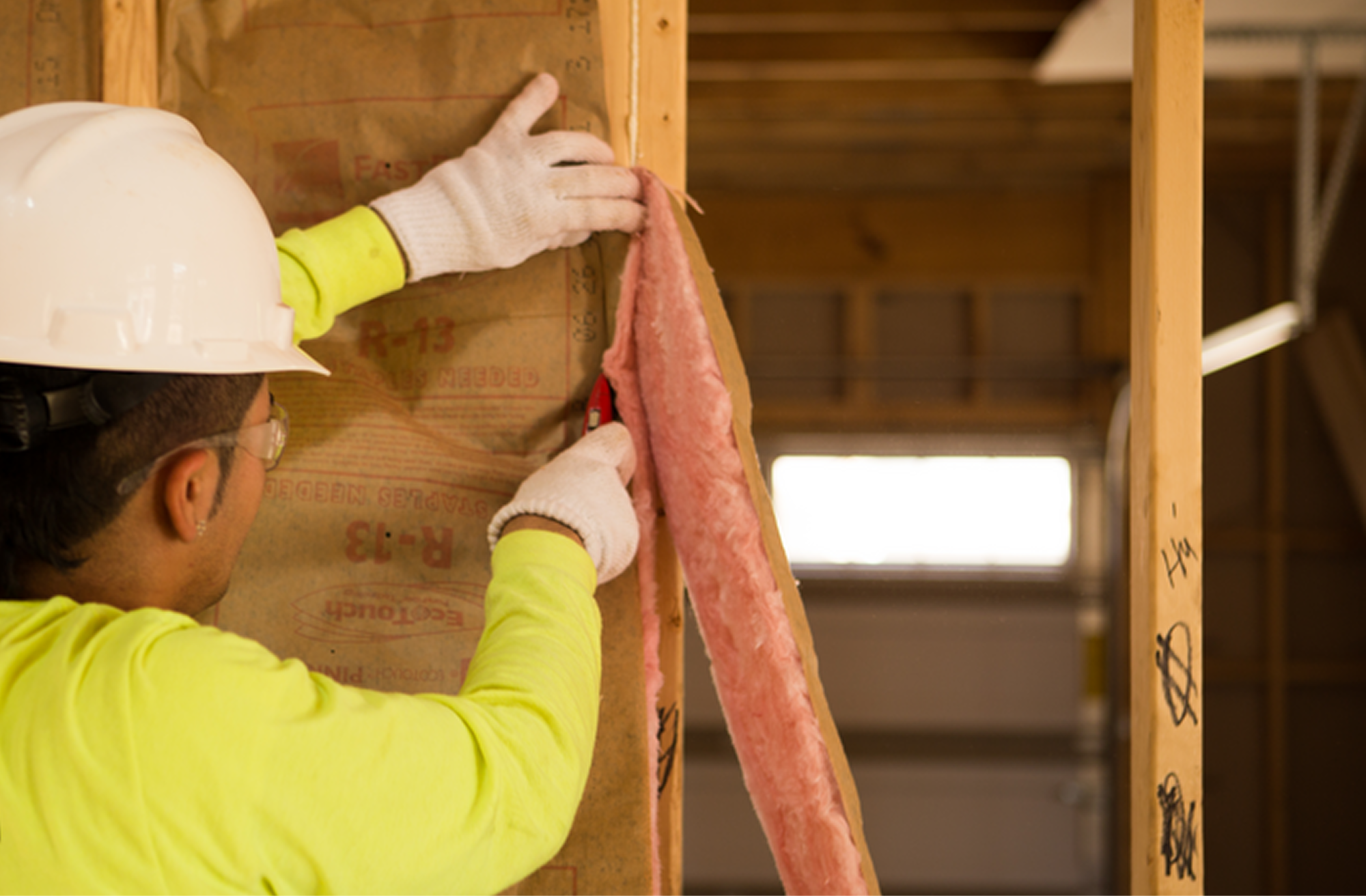
Fiberglass batt insulation comes in pre-cut sections that are installed between framing components such as studs and joists. It is commonly used in new construction and open areas where installation is straightforward.
Blown-in fiberglass insulation is a loose-fill material that is installed using a blowing machine. It is ideal for filling gaps, voids, and irregular areas where traditional batt insulation may not fit properly.
Fiberglass insulation can be installed in multiple areas of your home or building, including:
Each application may require either batt or blown-in insulation depending on accessibility, layout, and performance goals.
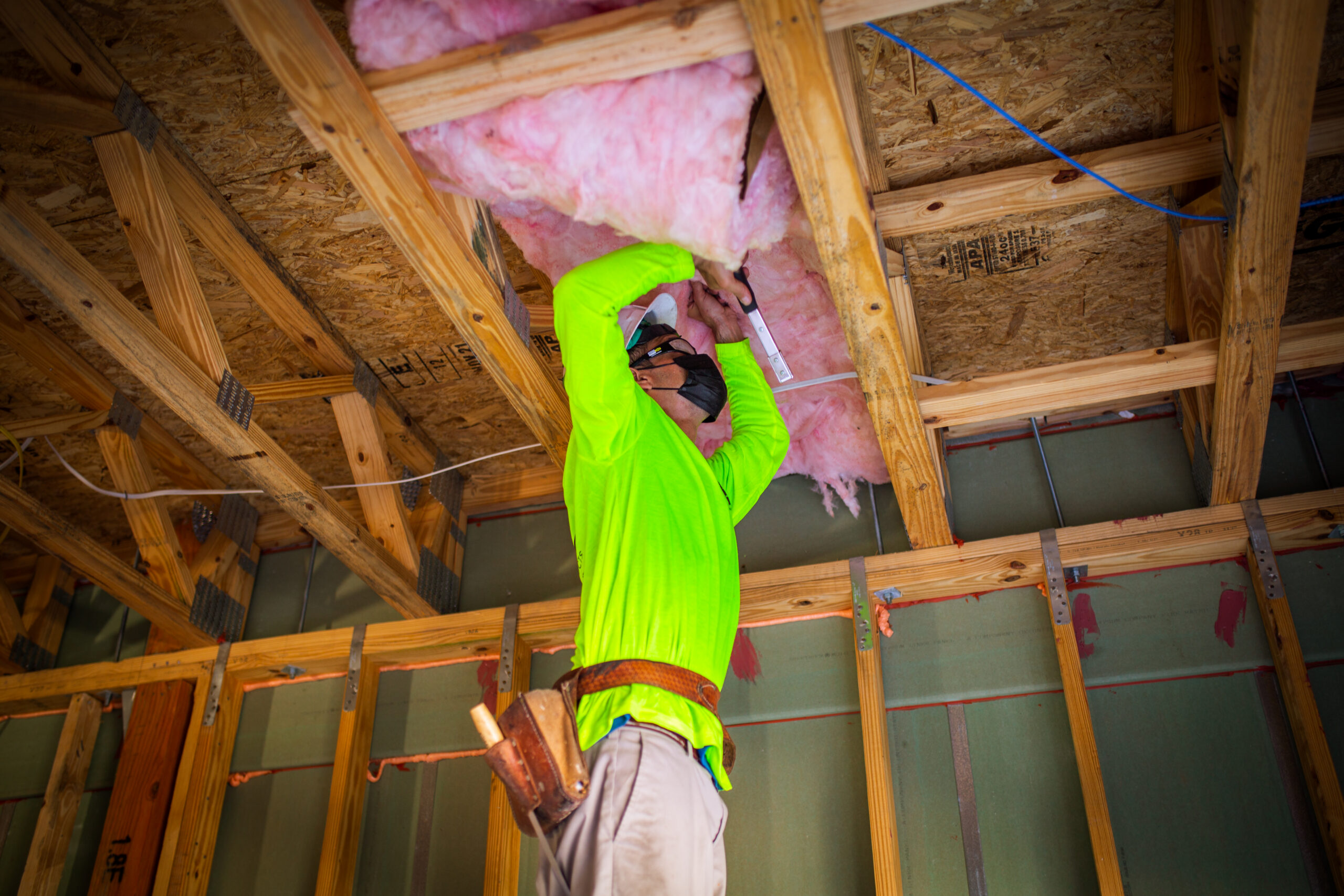
Improve comfort, reduce energy costs, and enhance your home’s performance with fiberglass insulation.
Contact Installed Building Solutions today to schedule your free inspection and estimate.
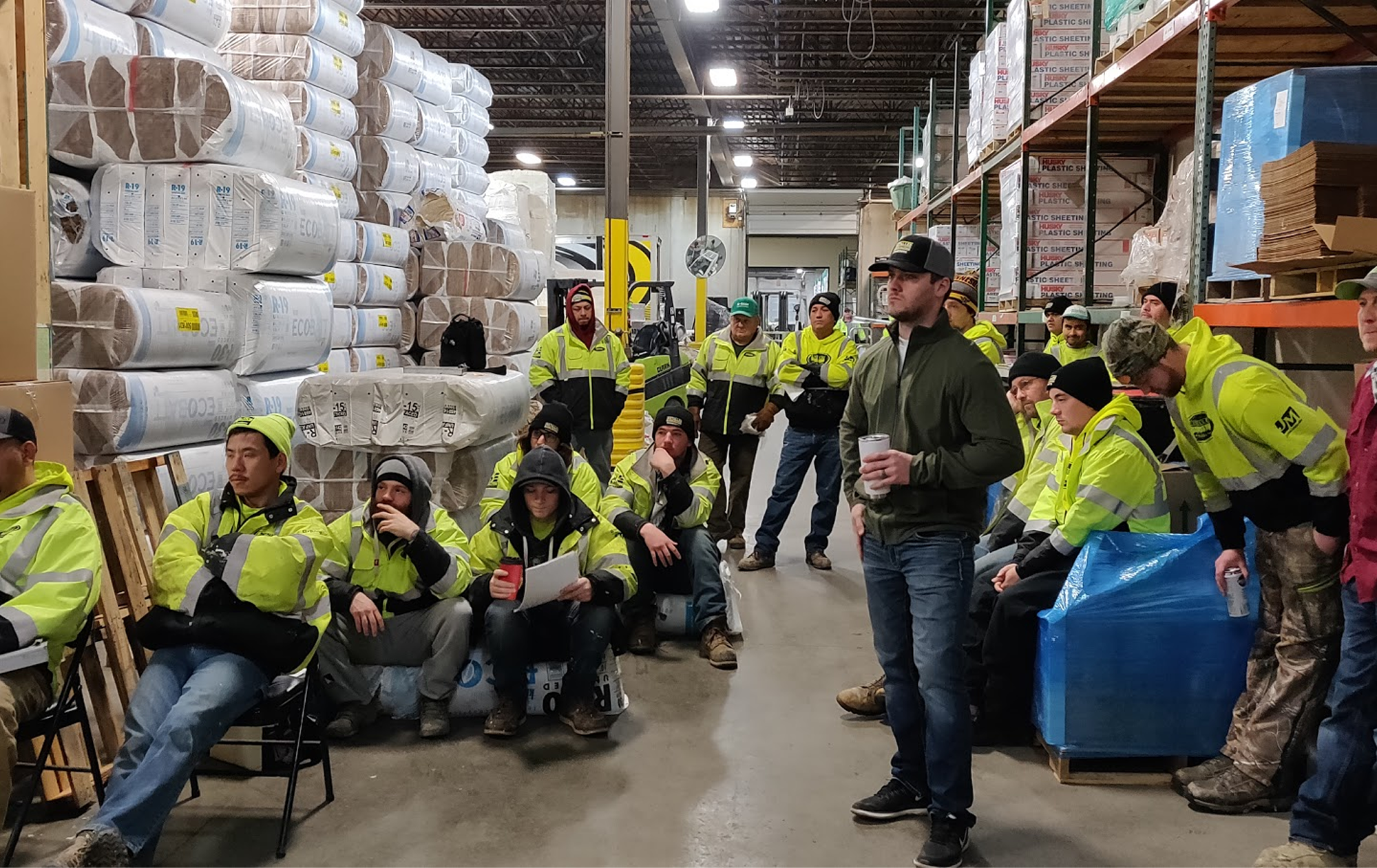
We understand your job site. We work efficiently alongside your other trades. And we make sure every installation is inspection-ready before you move on.
If fiberglass insulation gets wet, its effectiveness can be significantly reduced. Moisture fills the air pockets that help slow heat transfer, lowering its insulation value and performance. Over time, wet insulation can also lead to mold issues in surrounding materials and may need to be replaced if it does not fully dry.
Fiberglass insulation is generally safe when properly installed and sealed behind drywall or other materials. However, if it is exposed, the tiny glass fibers can irritate the skin, eyes, and lungs. Prolonged exposure is not recommended, so it’s best to cover exposed insulation or avoid direct contact.
In many cases, you can add new insulation over existing fiberglass insulation—especially in attics—to increase overall performance. However, old insulation should be removed if it is damaged, wet, contaminated, or compressed, as it may reduce the effectiveness of the new insulation.
Fiberglass insulation can last for many years—often decades—when it remains dry and undisturbed. Its lifespan depends on proper installation and environmental conditions, but it generally provides long-term thermal performance with minimal maintenance.