Choosing the right insulation plays a major role in your home’s comfort and energy efficiency. Whether you’re insulating an attic, upgrading walls, or working on a new build, different materials offer different benefits.
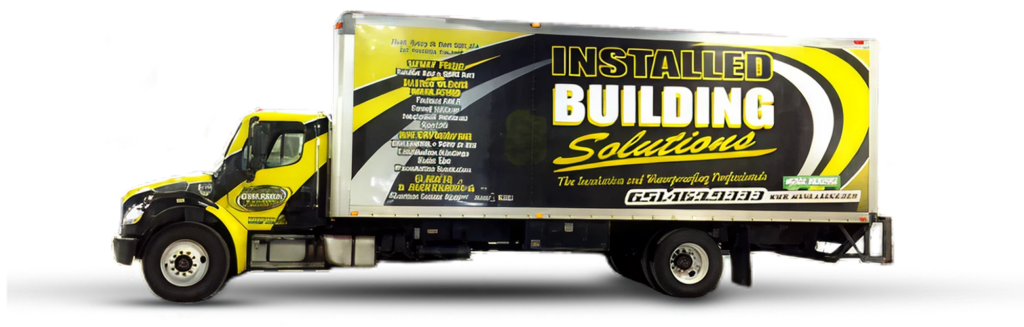
At Installed Building Solutions, we install multiple insulation types so you can get the best solution for your home, budget, and performance goals.
A properly insulated home protects your investment. High-quality insulation helps:

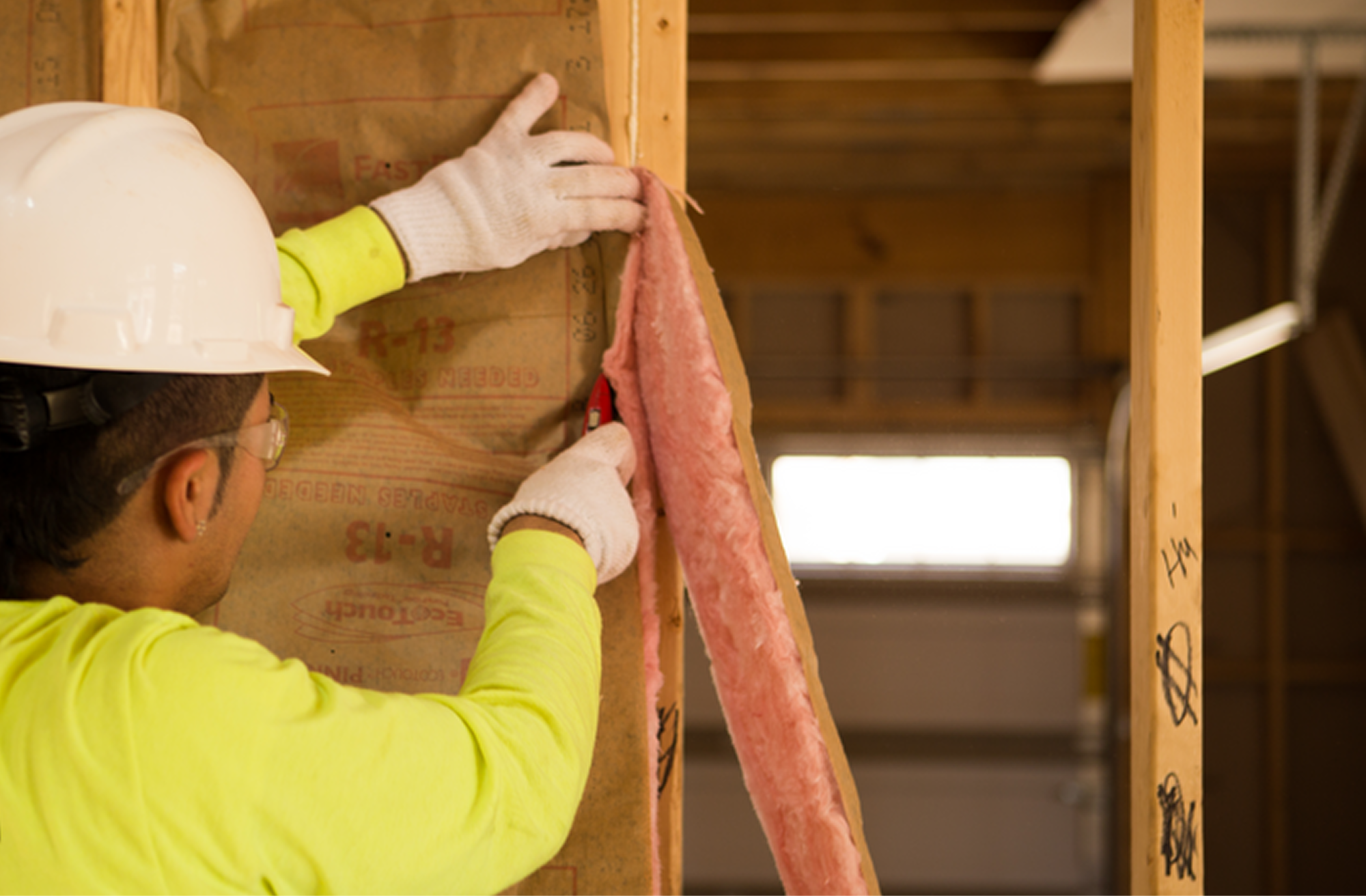
A cost-effective and versatile material available in both batt and loose-fill forms.
A durable, fire-resistant insulation ideal for sound control and moisture resistance.
An eco-friendly, blown-in insulation made from recycled materials.
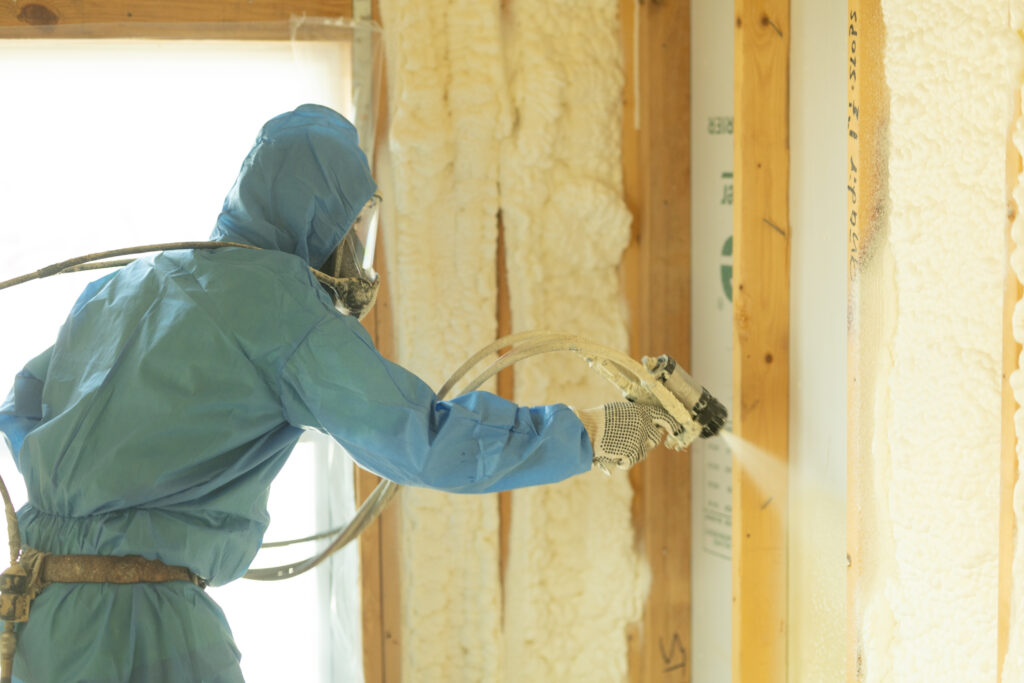
A high-performance solution that expands to seal gaps and reduce air leaks.
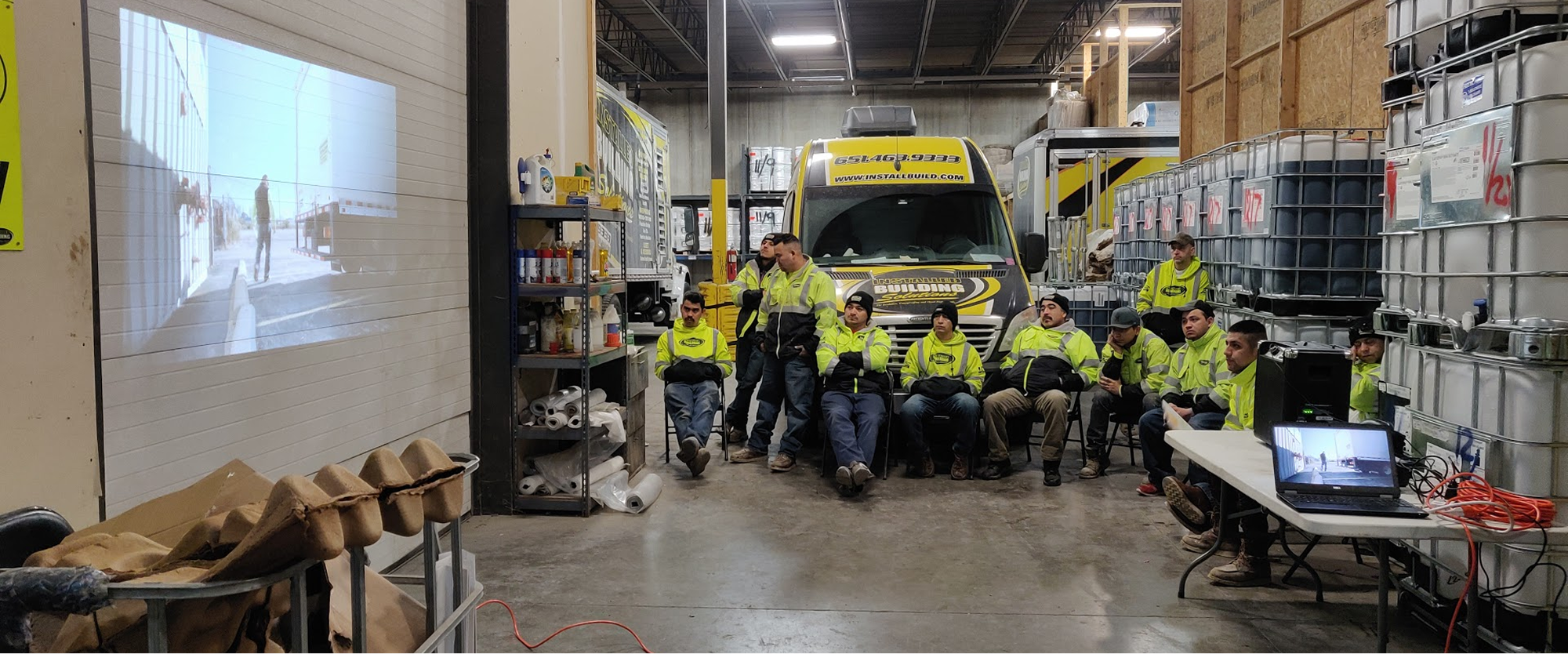
We understand your job site. We work efficiently alongside your other trades. And we make sure every installation is inspection-ready before you move on.
The most common types of insulation include fiberglass (batt and blown-in), spray foam, cellulose, and rockwool (mineral wool). Each type is designed for specific applications, such as attics, walls, or crawl spaces, and offers different benefits depending on your needs.
There is no single “best” insulation type for every home. The right choice depends on factors like where the insulation will be installed, your budget, and your energy efficiency goals. All insulation types can perform well when properly installed and sealed.
Batt insulation comes in pre-cut sections that fit between wall studs and ceiling joists, while blown-in insulation is loose material installed using specialized equipment to fill gaps and irregular spaces. Both are commonly used, depending on the area being insulated.
Yes, proper insulation helps reduce heat transfer, keeping warm air inside during winter and outside during summer. This can improve energy efficiency and lower heating and cooling costs over time.
Yes, in many cases, combining insulation types provides the best results. For example, spray foam may be used to seal gaps, while fiberglass or cellulose is added for additional coverage and thermal performance.