Cellulose insulation is a proven, environmentally friendly solution for improving energy efficiency and indoor comfort in homes and commercial buildings. Made primarily from recycled paper materials, cellulose insulation delivers reliable thermal performance while helping reduce waste and energy costs.
At Installed Building Solutions, we install high-quality cellulose insulation for attics, walls, and other enclosed spaces—helping you create a more comfortable, energy-efficient environment year-round.
Cellulose insulation offers a range of advantages that make it a popular choice for both new construction and retrofit projects:
Cellulose insulation helps slow heat transfer and reduce drafts by fitting tightly into cavities, helping maintain consistent indoor temperatures and lower heating and cooling costs.
Made from up to 75–85% recycled paper and treated with safe fire-retardant additives, cellulose insulation is one of the most sustainable insulation options available.
Because it is blown or sprayed into place, cellulose insulation easily fills gaps, cracks, and hard-to-reach spaces where traditional insulation may fall short.
The dense, fibrous composition helps reduce noise transfer between rooms and from outside, creating a quieter indoor environment.
Cellulose insulation is treated with compounds like boric acid, which enhances fire resistance and helps deter pests and mold growth.
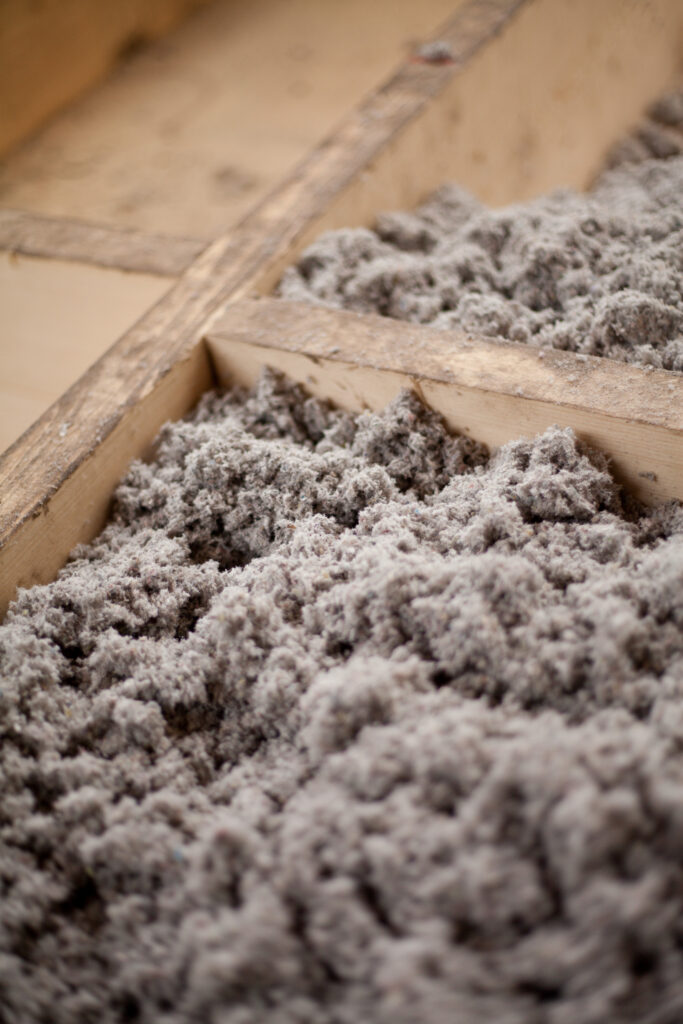
Cellulose insulation is a loose-fill or dense-packed insulation material made from recycled paper fibers. These fibers are processed and treated to improve durability, fire resistance, and performance.
Unlike rigid insulation materials, cellulose is installed using specialized equipment that blows or sprays the material into cavities. This allows it to conform to the shape of the space, creating a continuous thermal barrier.
Compared to traditional insulation materials like fiberglass or spray foam, cellulose offers a unique balance of performance and sustainability:
While cellulose insulation performs well, it is important to note that proper installation is key to maximizing its effectiveness and minimizing issues like settling or moisture exposure.
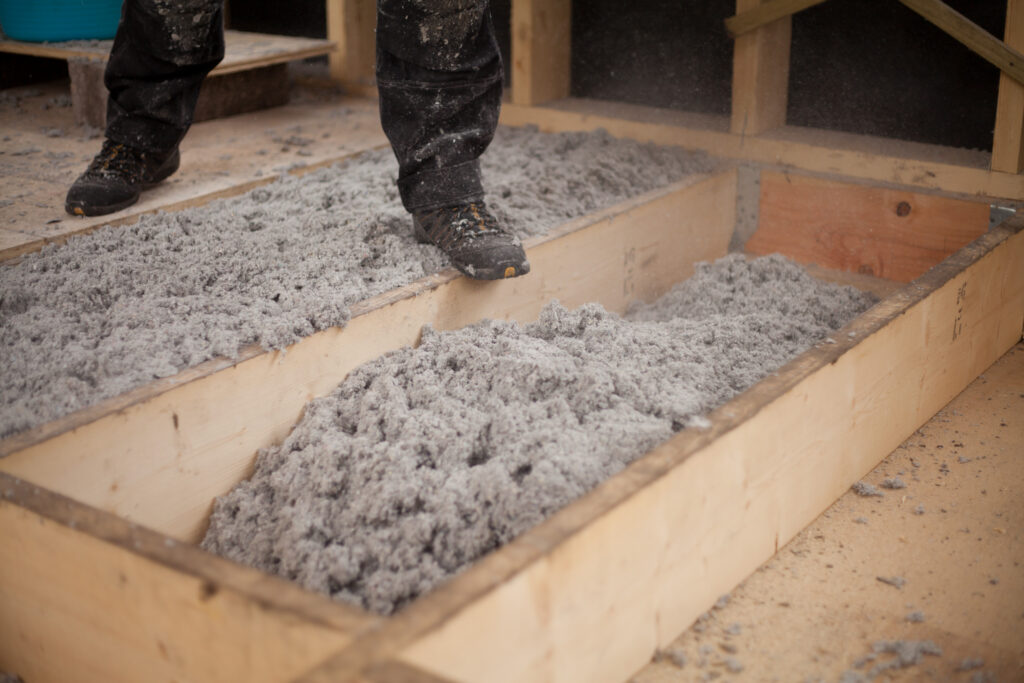
Typically used in attics, loose-fill cellulose is blown across open spaces to create an even layer of insulation that helps reduce heat loss.
Installed under pressure into enclosed wall cavities, dense-pack cellulose provides improved coverage and reduces air movement.
Cellulose insulation can be installed in a variety of areas, including:
Its ability to conform to tight spaces makes it especially effective for retrofit projects and older homes where insulation needs to be added without major demolition.
Proper installation is critical for ensuring your insulation performs as intended. Our team uses professional-grade equipment and proven techniques to deliver consistent coverage and long-lasting results.
Whether you’re insulating a new property or upgrading existing insulation, we’ll help you choose the right solution for your home or building.
Ready to improve your home’s comfort and energy efficiency with cellulose insulation?
Contact our team today to schedule a consultation or request a quote.
We understand your job site. We work efficiently alongside your other trades. And we make sure every installation is inspection-ready before you move on.
Cellulose insulation is primarily made from recycled paper products, such as newspaper and cardboard, combined with fire-retardant and pest-resistant treatments.
Cellulose insulation is commonly installed in attics, wall cavities, ceilings, and floors. It works especially well in existing homes because it can be blown into enclosed spaces without major renovation.
Cellulose insulation slows heat transfer by trapping air within dense fibers and filling gaps in walls and attics. This helps maintain consistent indoor temperatures and can reduce heating and cooling costs.
Yes, cellulose insulation can settle slightly over time, especially in attic applications. However, professional installers account for this by adding extra material to maintain proper coverage and performance.